3 Things Every Equipment Manager Should Know Before Ordering Custom Models
Posted by Weiss Broz on 2nd May 2026
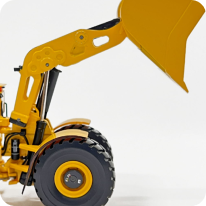
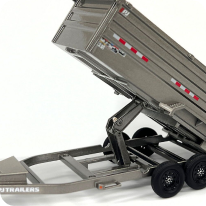
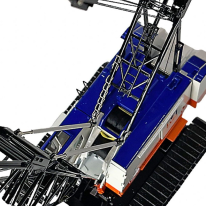
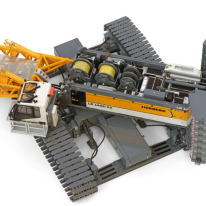
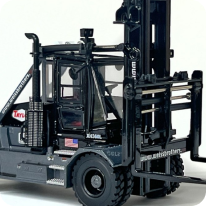
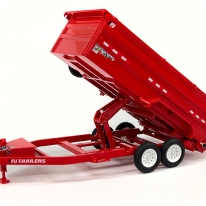
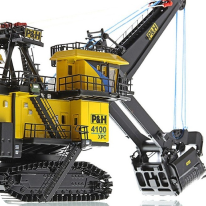
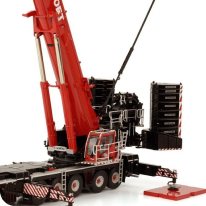
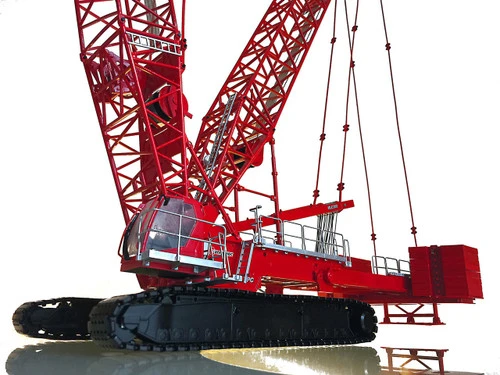
If you’ve ever seen a high-quality 1/50 scale replica of your company’s flagship excavator or crane sitting on a CEO’s desk, you know it’s more than just a toy. It’s a powerful branding tool that represents your company’s hard work and engineering.
However, moving from "we should have a model made" to holding a finished diecast replica in your hand involves a bit of a learning curve. Before you start the manufacturing process, here are three essential things every equipment manager should know to ensure the project is a success.
1. The Power of the 1/50 Scale
In the world of heavy equipment and construction replicas, 1/50 scale is the industry standard. While you might see smaller scales like 1/87 (HO scale) for trains, 1/50 offers the perfect balance of size and detail.
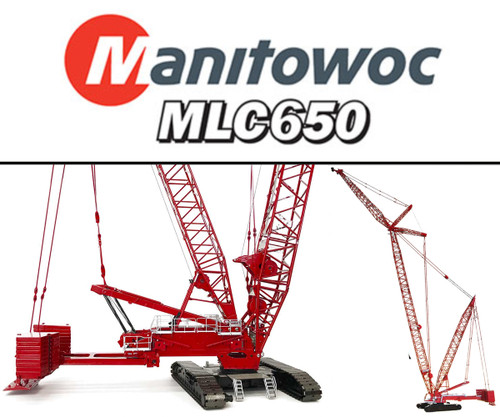
At this scale, we can accurately replicate moving hydraulic cylinders, folding outriggers, and detailed cab interiors without the model becoming too bulky for a bookshelf or a trade show display. Choosing the standard scale also ensures your model will fit perfectly alongside existing collections from major brands like Liebherr, Manitowoc, or Grove.
2. Accuracy Starts with Your Data
To create a "museum-quality" replica, we don't just guess based on photos. The best diecast models are born from your actual engineering files.
-
CAD Files: Providing 3D CAD data allows our designers to shrink your equipment with 100% accuracy.
-
Paint Codes: We use official OEM paint codes (like CAT Yellow or Liebherr Grey) to ensure the model matches your fleet perfectly.
- Decal Placement: Having your high-resolution logo files ensures the branding is crisp and correctly positioned, even on the smallest access panels.
3. Lead Times and "Tooling"
Unlike 3D printing a single plastic piece, true diecast manufacturing involves creating steel molds (tooling). This is what gives diecast its signature weight and durability, but it also takes time.
-
The Molds: High-quality steel molds take several weeks to CNC-machine and polish.
-
The Production Run: Because of the setup involved, custom diecast is most cost-effective when produced in batches.
-
The Timeline: Generally, you should plan your project 6 to 9 months in advance — especially if you want the models ready for a specific event like CONEXPO or a company anniversary.
Quick Checklist: Before You Call a Manufacturer
If you’re ready to start the conversation, having these items ready will speed up the process:
-
Reference Photos: Clear shots of the front, back, and sides of the machine.
-
Quantity: Do you need 250 units for VIP clients, or 1,000+ for a global launch?
-
Budget: Knowing your "per-unit" goal helps us suggest the right level of detail.
-
Timeline: When is your "must-have" date?
Frequently Asked Questions
Can we customize the packaging? Absolutely. Most of our clients opt for custom-printed boxes that feature their company history, machine specs, and branding.
What is the minimum order for custom diecast? Because of the cost of creating steel molds, custom runs typically start at 250 to 500 units to keep the price per model reasonable.
Is it all metal? We prioritize "diecast" (zinc alloy) for the main body and frame to give it that premium heavy feel. We use high-grade plastics for fine details like mirrors and railings to ensure they don't snap easily.
Ready to see your fleet in 1/50 scale? Contact Weiss Brothers today to discuss your project and get a custom quote.
**information on this page is for reference only, your custom diecast project may come with different timelines.**